Core Capabilities
leesern.com specializes in architectural digital experiences. Our discipline spans from high-fidelity simulation engines to precision UI logic, ensuring every pixel serves a functional purpose in the user journey.
Unity Engine Optimization
We refactor legacy codebases to reduce draw calls and memory overhead. This involves implementing object pooling for dynamic entities and optimizing shader complexity for mobile target platforms.
 Core architecture analysis
Neon Asset Pipeline
Creation of 2D and 3D assets adhering to a strict retro-futuristic aesthetic. We utilize procedural generation for texture variety and PBR materials for metallic surfaces under volumetric lighting.
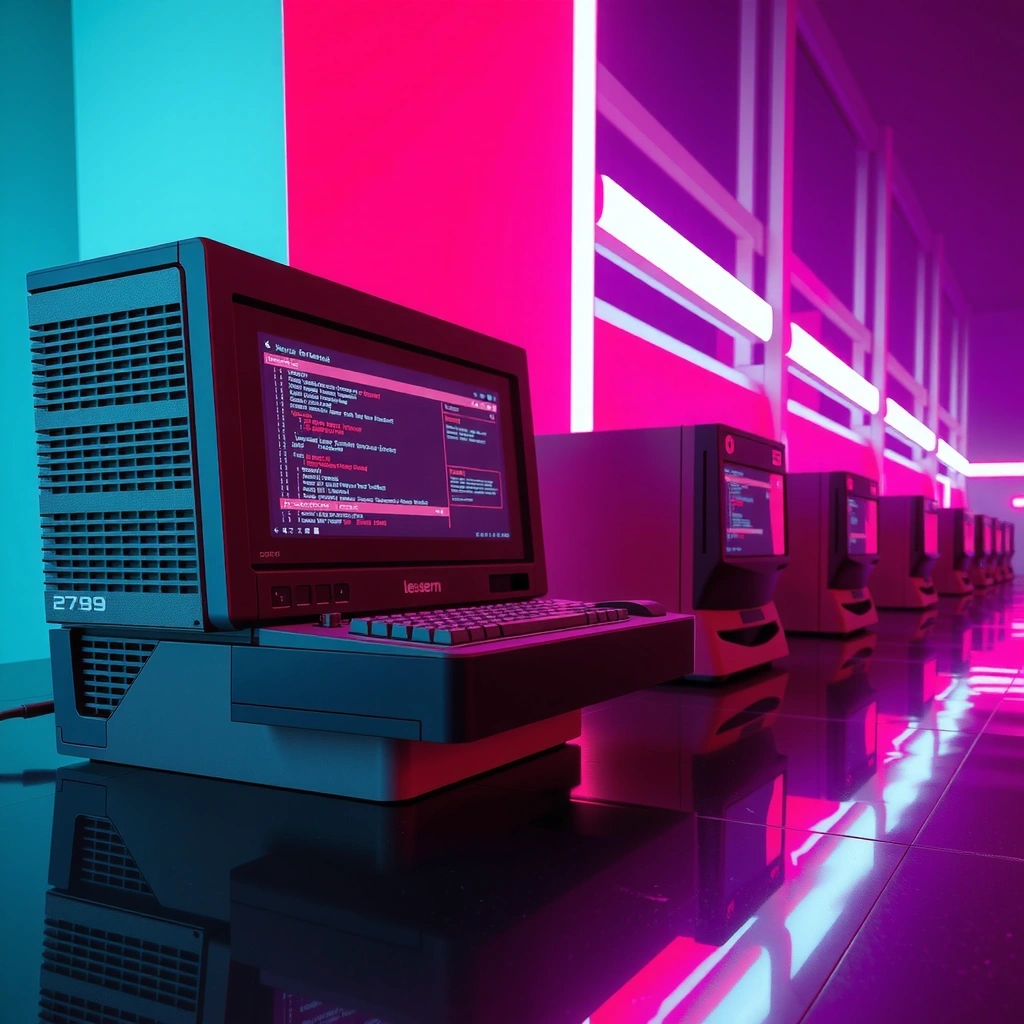 Visual consistency engineering
User Flow Architecture
Detailed planning of navigation loops and input responsiveness. We map touch gestures to feedback loops that feel tactile and immediate, reducing cognitive load in complex interfaces.
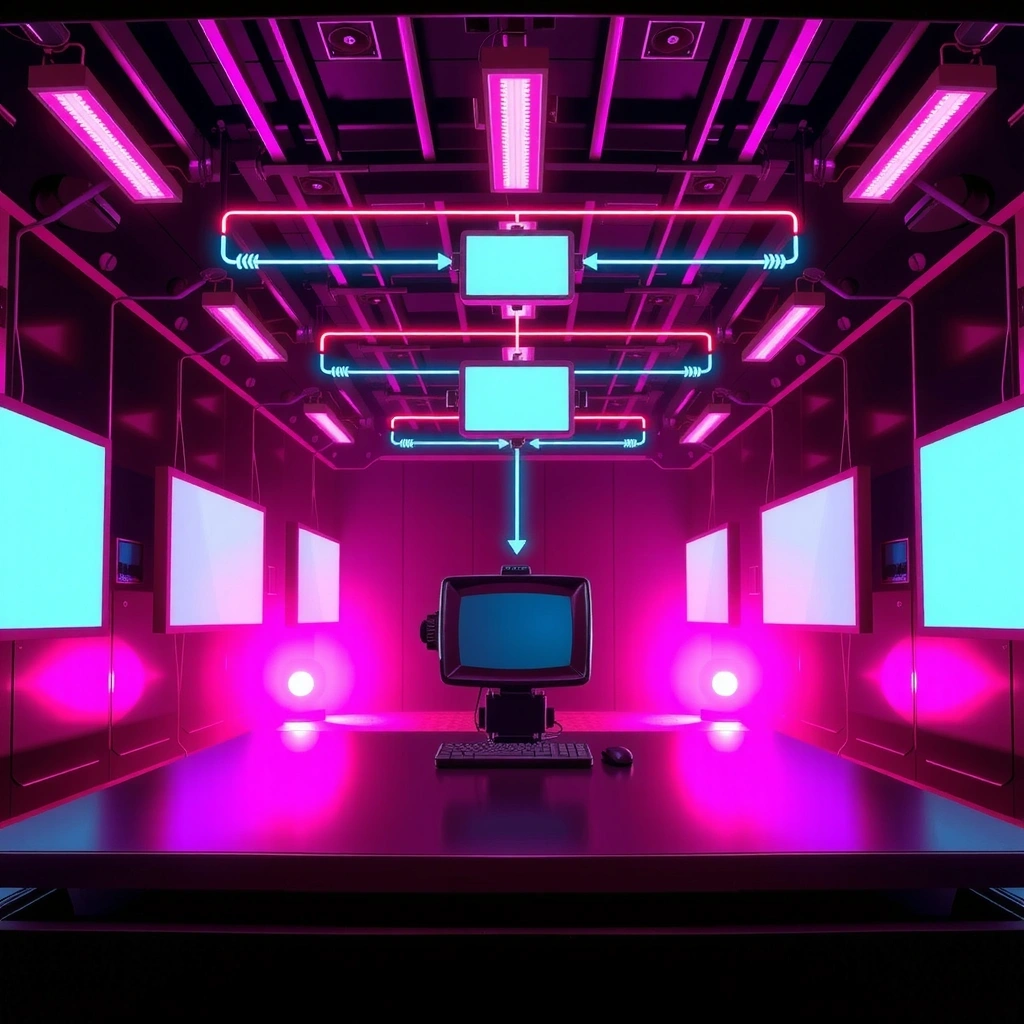 Interaction logic design
Retro-Futuristic Service Selector
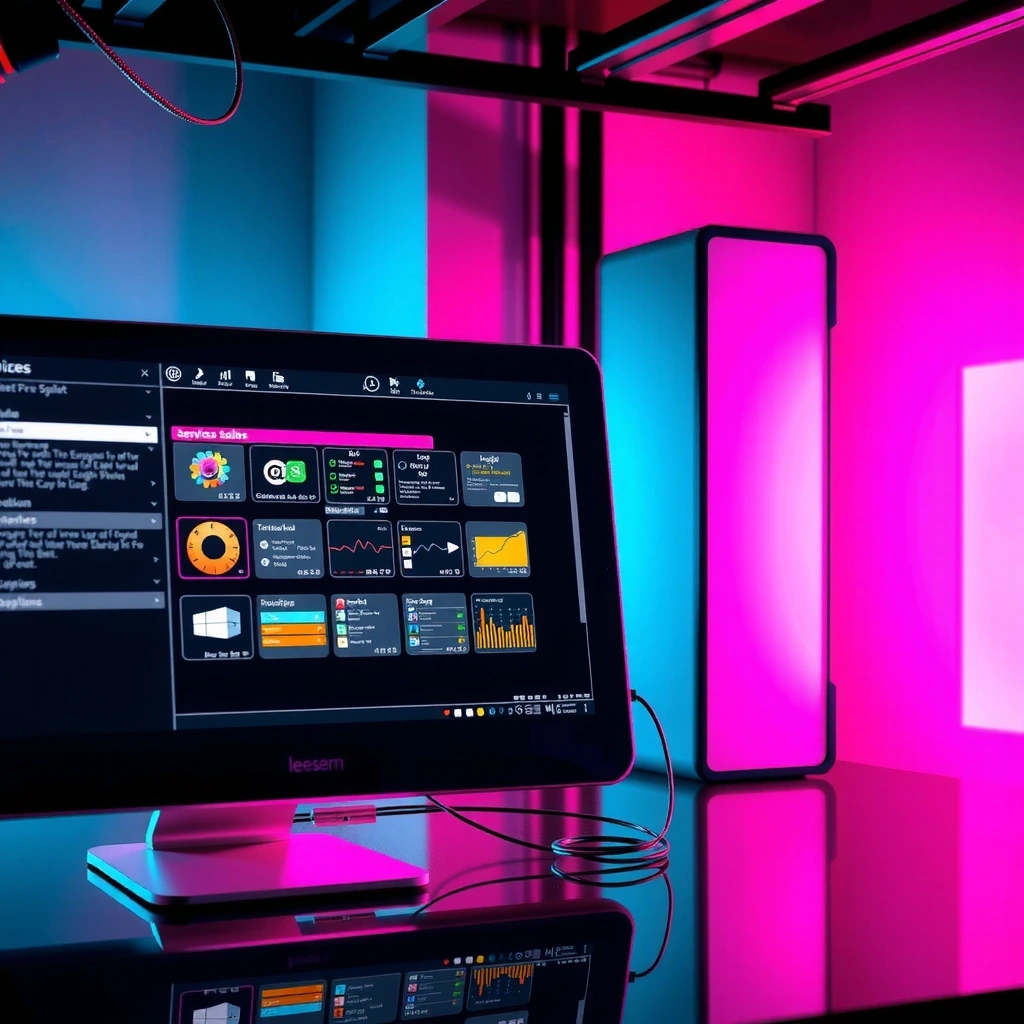
Explore specific service details. Select a discipline below to view architectural breakdowns of our engagement models.
leesern.com Field Guide
Understanding the retro-futuristic development pipeline requires distinguishing between visual nostalgia and technical modernity. At leesern.com, we treat the "80s sci-fi" aesthetic not as a costume, but as a functional design language. The high-contrast neon palette serves a purpose: it reduces visual fatigue in dark environments (where most immersive experiences are consumed) and creates immediate visual hierarchy for interactive elements.
Decision Criteria for Engagement: When selecting a studio, evaluate their ability to balance constraint-based rendering with artistic ambition. We operate within strict technical budgets to ensure stability, but our creative scope remains unbounded. This is achieved through procedural asset generation—mathematically creating content that feels bespoke without manual labor overhead.
Myth vs. Fact
- Myth: "Retro styles mean outdated performance."
- Fact: We utilize Vulkan and Metal APIs underneath the neon visuals, achieving 4k rendering at native frame rates.
Key Terminology
Light diffusion technique for atmospheric depth.
Latency compensation for responsive controls.
Common Mistakes to Avoid
- ✕ Overusing bloom effects causing visual noise.
- ✕ Ignoring mobile input ergonomics.
- ✕ Mixing pixel densities in UI sprites.
- ✕ Failing to test in HDR environments.
Implementation Workflow
1. Definition & Constraints
We establish the render budget and interaction scope. This prevents scope creep and ensures the hardware requirements remain accessible to the target audience.
2. Validation & Selection
Choosing the right approach (Unity vs. Custom Engine) based on asset complexity. We prototype core loops to validate assumptions about "fun" before committing to full production.
3. Application & Example
Iterative coding and asset integration. We run daily build tests on target devices to catch performance regression immediately, keeping the pipeline fluid.
4. Review & Next Actions
Post-mortem analysis of user telemetry. We identify friction points in the UI and optimize input latency, then plan the next feature iteration or polish phase.
Visual Spotlight:
The Neon Grid
Our latest tech demo showcases a zero-latency input system running on a custom shader pipeline. By rendering UI elements directly into the lighting pass, we achieve a cohesive visual language where interface and environment are indistinguishable.
Signals of Trust & Quality
Scenario-Based Examples
"We engaged leesern to salvage a failing Unity project. Their audit identified memory leaks in the asset pipeline. The subsequent rebuild stabilized frame rates on mid-tier Android devices, leading to a 40% retention increase in week one."
— Scenario: Legacy Optimization"The team provided a complete retro-futuristic asset pack within two weeks. The consistency of the PBR materials allowed our lighting team to skip the baking phase, accelerating our production schedule significantly."
— Scenario: Rapid Asset PipelineReady to Architect Your Experience?
Discuss technical constraints or request a capability dossier.
leesern.com | College Green 166, Derry, Ireland | +353 87 4155642 | info@leesern.com
Mon-Fri: 9:00-18:00